
In the modern diet, beverages often account for a significant portion of daily caloric and sugar intake, quietly sabotaging health goals. From sugary sodas and heavily sweetened teas to artificially flavored energy drinks, the choices we make at the vending machine or café counter have profound consequences for our well-being. This is why implementing a Healthy Beverage Program—whether in a workplace, school, or personal life—is not a minor dietary tweak, but a critical public health and wellness strategy. Such a program involves deliberately shifting consumption habits away from drinks high in added sugar, artificial ingredients, and empty calories toward hydrating, nutrient-rich alternatives.
A successful Healthy Beverage Program recognizes that change must be systematic, appealing, and accessible. It’s about creating an environment where the healthiest choices are also the easiest choices, leading to benefits that include improved energy levels, better weight management, reduced risk of chronic disease, and enhanced cognitive function. By focusing on hydration, natural ingredients, and mindful consumption, this program transforms a passive habit into an active investment in health.
Subtitle 1: The Case Against Sugary Drinks
The primary objective of any healthy beverage program is the aggressive reduction of Sugar-Sweetened Beverages (SSBs). Understanding their health cost is the foundation for driving change.
The Hidden Hazard of Liquid Calories
SSBs, including sodas, sweetened juices, and specialty coffee drinks, deliver massive amounts of added sugar without providing satiety. Unlike solid foods, liquid calories are poorly registered by the body, leading to overconsumption. A single 12-ounce can of soda can contain ten teaspoons of sugar, often exceeding the recommended daily limit in one serving.
- Metabolic Impact: High sugar intake, particularly in liquid form, is strongly linked to an increased risk of type 2 diabetes, fatty liver disease, cardiovascular disease, and weight gain. The constant flood of glucose necessitates excessive insulin production, placing long-term stress on the pancreas.
Addressing Artificial Sweeteners and Dyes
While zero-sugar drinks seem like a healthier alternative, they introduce their own set of concerns. Many artificial sweeteners are thousands of times sweeter than sugar, potentially confusing metabolic pathways and contributing to cravings for sweet tastes. Moreover, artificial colorings and dyes, frequently used in brightly colored drinks, offer no nutritional value and are unnecessary additives in a healthy diet.
Subtitle 2: The Core Components of a Healthy Program
A successful Healthy Beverage Program focuses on promoting the best alternatives and ensuring easy access.
1. Water: The Undisputed Champion
Water is the foundation of good health. It plays a role in nearly every bodily function, from regulating temperature and transporting nutrients to cushioning joints and maintaining cognitive clarity. The program must make water the most attractive option:
- Accessibility: Ensure readily available, filtered, and chilled water sources (fountains, dispensers) in all communal areas.
- Enhancement: Promote infused water—adding slices of fresh fruit (lemon, cucumber, berries) or herbs (mint, basil) to water. This adds flavor and visual appeal without introducing added sugar or artificial ingredients.
2. Promoting Naturally Healthy Drinks
Beyond plain water, the program should endorse beverages that offer functional health benefits:
- Unsweetened Tea and Coffee: These drinks are rich in antioxidants and, when consumed without added sugar or heavy cream, offer cognitive benefits. The program should encourage the use of low-fat milk alternatives or simple black consumption.
- 100% Fruit Juice (Limited): While natural, 100% fruit juice is high in concentrated sugars and lacks fiber. It should be encouraged in small, measured servings (no more than 4-6 ounces daily) or diluted with water to reduce sugar concentration.
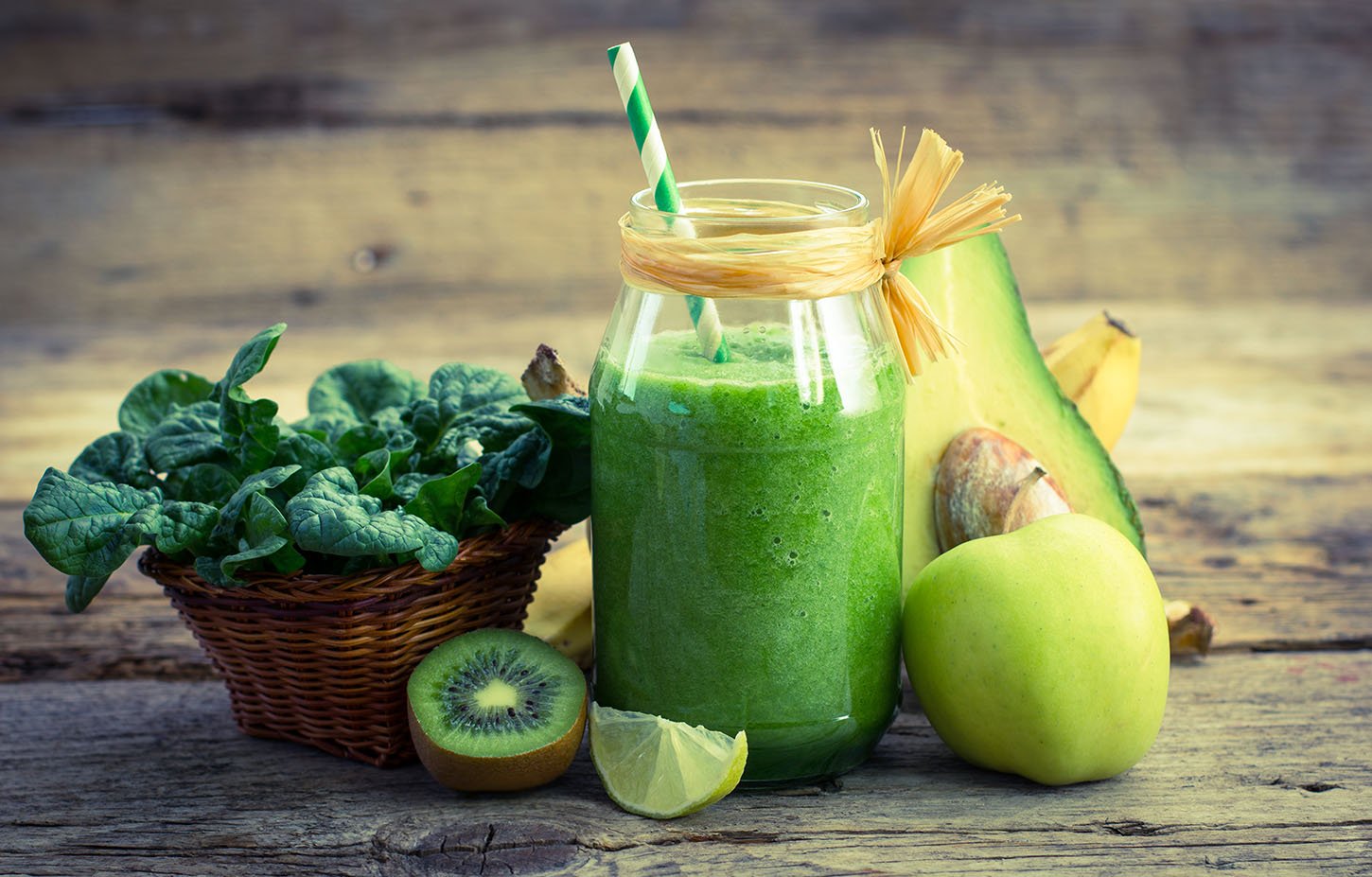
- Vegetable Juices and Smoothies: These offer significantly more vitamins, minerals, and fiber than fruit juices. They should be emphasized as excellent nutritional supplements.
Subtitle 3: Implementation Strategies and Cultural Shift
Successfully rolling out a program requires more than just informational posters; it demands systemic changes to the physical environment.
1. The Power of Default Choice
This strategy focuses on making the healthy option the default or easiest choice. In a workplace or school cafeteria:
- Pricing: Implement tiered pricing that makes water and unsweetened drinks the cheapest options, while SSBs are priced higher.
- Placement: Move SSBs to the least visible locations in vending machines and coolers, placing water and unsweetened options at eye level and nearest the entryway.
- Availability: Remove SSBs entirely from meetings, public events, and employee break rooms, serving only water, coffee, and tea.
2. Education and Empowerment
Change is sustainable only when people understand the “why.” The program must include education components:
- Sugar Visualization: Use visual aids that show the sheer volume of sugar (in cubes or packets) contained in popular drinks. This is a powerful tool for self-correction.
- Hydration Tracking: Encourage the use of reusable water bottles and promote challenges or apps that track hydration levels, turning healthy behavior into an engaging goal.
Conclusion: Investing in Internal Wellness
Implementing a comprehensive Healthy Beverage Program is an investment in human capital. By systematically removing high-sugar liabilities and promoting clean, natural hydration, organizations and individuals can achieve measurable health improvements—from better focus and reduced obesity rates to a decrease in chronic disease risk.
This shift moves beverages from being a source of hidden nutritional damage to a powerful tool for wellness. It ensures that the simplest act of daily hydration actively contributes to a sustained, healthy lifestyle.