
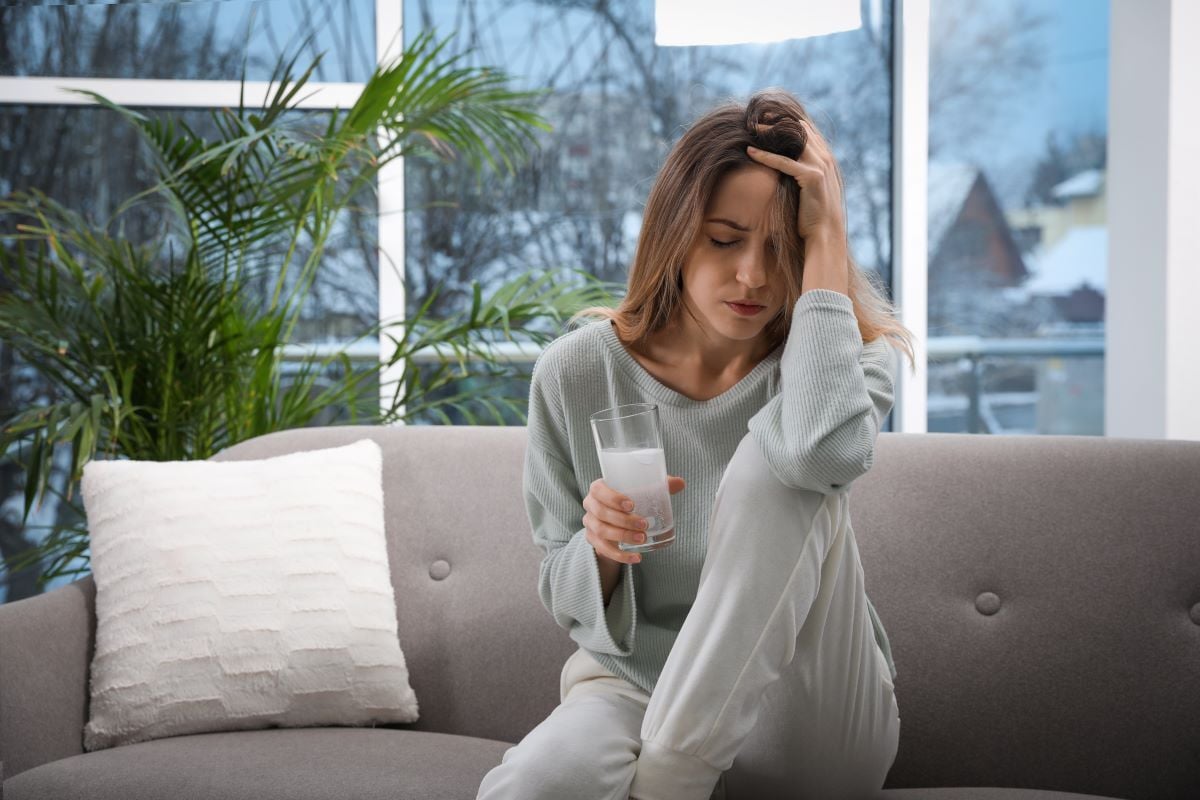
Hangovers are more than just an inconvenience—they are your body’s loud reminder that it is overwhelmed, dehydrated, and struggling to recover. Anyone who has experienced a long night out, a celebration that went a bit too far, or a weekend getaway knows the miserable aftermath: pounding headaches, nausea, fatigue, dizziness, brain fog, and that overwhelming desire to stay in bed all day.
While hangovers are common, many people overlook the fact that the way you recover can actually affect your health. Choosing the best way to cure a hangover isn’t simply about feeling better faster—it’s also about supporting your body’s recovery process, protecting your long-term health, and avoiding complications from dehydration and nutrient depletion.
In cities known for nightlife—especially in places like Nevada—finding reliable recovery support is even more important. For example, a drip bar in Las Vegas often provides hydration therapies that help people bounce back quickly after a night of festivities. But whether you’re partying in Las Vegas or enjoying a quiet night with friends anywhere else, understanding why proper hangover recovery matters can make a dramatic difference in how you feel and how quickly your body rebounds.
Below, we explore why hangover recovery is so important, what’s actually happening inside the body during a hangover, and healthy strategies that help you return to normal faster.
1. Hangovers Are a Sign of Dehydration—and Dehydration Is Dangerous
Alcohol is a diuretic, which means it forces your body to release more fluids than it takes in. This is why frequent urination follows a night of drinking, and why you wake up feeling incredibly thirsty.
Dehydration causes:
- Headaches
- Fatigue
- Dry mouth
- Dizziness
- Muscle cramps
- Difficulty concentrating
- Lowered blood pressure
When dehydration becomes severe, it can lead to:
- Fainting
- Rapid heart rate
- Kidney strain
- Electrolyte imbalance
- Heat-related complications in warm climates
Simply drinking water the next morning may not fully replenish what you lost—especially if you consumed a lot of alcohol. This is one reason many people seek fast hydration support.
In cities known for tourism and nightlife, many choose a drip bar in Las Vegas to rehydrate with IV fluids, electrolytes, and vitamins that work faster than drinking water alone. Regardless of where you live, restoring hydration quickly is one of the most important steps in recovering safely.
2. Alcohol Depletes Nutrients Your Body Needs for Energy and Healing
Alcohol interferes with your body’s absorption of essential vitamins and minerals, including:
- B vitamins
- Magnesium
- Potassium
- Zinc
- Vitamin C
These nutrients are responsible for:
- Energy production
- Brain function
- Muscle recovery
- Immune support
- Mood stabilization
When they’re depleted, you feel tired, weak, and mentally foggy. Finding the best way to cure a hangover often includes replenishing these nutrients through food, supplements, or hydration therapies.
Certain nutrient-rich foods help your body recover naturally:
- Bananas
- Eggs
- Avocado
- Spinach
- Nut butters
- Oatmeal
- Oranges and citrus fruits
Replenishing nutrients not only speeds recovery—it prevents extended weakness and fatigue in the days following heavy drinking.
3. Poor Hangover Recovery Can Disrupt Your Gut Health
Alcohol irritates the stomach lining and disrupts the digestive system. This can cause:
- Nausea
- Vomiting
- Diarrhea
- Loss of appetite
- Acid reflux
- Stomach pain
If you do not treat hangover symptoms properly, these digestive issues can worsen.
Your gut microbiome also becomes imbalanced when you drink too much. Taking care of your digestive system during recovery helps:
- Restore good bacteria
- Improve digestion
- Reduce inflammation
- Support better nutrient absorption
The best hangover recovery plans usually include light, nutritious meals and probiotic foods that are easy on the stomach.
4. Sleep Disturbance Requires Proper Recovery Support
Although many people fall asleep quickly after drinking, alcohol dramatically lowers sleep quality. It prevents deep sleep stages, causes frequent waking, and can trigger nightmares or dehydration-induced interruptions.
The day after drinking, you may experience:
- Grogginess
- Irritability
- Slowed cognitive function
- Reduced reaction time
- Impaired decision-making
Getting adequate rest after a night out is essential. Recovery strategies should address sleep quality—not just the physical symptoms.
5. Alcohol Affects Cognitive Function and Mood
Alcohol interferes with neurotransmitters such as dopamine and serotonin. This can contribute to:
- Anxiety (often called “hangxiety”)
- Low mood
- Brain fog
- Trouble focusing
- Memory lapses
Supporting your brain during recovery helps restore balance faster. This can include hydration, nutrition, rest, and gentle movement.
Finding the best way to cure a hangover is not just about physical relief—it is also about restoring mental clarity.
6. Hangover Symptoms Can Impact Work, Safety, and Daily Function
A hangover doesn’t only affect how you feel—it affects everything you do. Many people underestimate the consequences, including:
Safety risks:
- Reduced coordination
- Slower reaction time
- Impaired decision-making
- Difficulty driving
- Increased risk of accidents
Work performance issues:
- Low productivity
- Difficulty concentrating
- Fatigue and irritability
- Poor memory
- Mistakes in judgment
Proper hangover recovery makes you more alert, focused, and capable of handling your daily responsibilities safely and effectively. This is why people in high-pressure jobs often seek fast-acting support, such as hydration therapies at a drip bar in Las Vegas or similar services that restore clarity quickly.
7. Chronic Poor Recovery Habits Can Harm Long-Term Health
Ignoring your hangover symptoms or constantly relying on unhealthy coping strategies can lead to long-term issues such as:
- Chronic dehydration
- Vitamin deficiencies
- Liver strain
- Ongoing digestive issues
- Chronic fatigue
- Weakened immune system
While occasional drinking is common, repeated heavy drinking without proper recovery increases the risk of health complications.
Finding healthy, sustainable recovery habits prevents long-term harm and ensures your body can bounce back effectively.
8. What the Best Hangover Recovery Plans Usually Include
Everyone’s body reacts differently to alcohol, but the most effective recovery strategies usually address the same fundamental needs:
Hydration
The fastest way to rehydrate is through fluids with electrolytes. This includes:
- Coconut water
- Electrolyte drinks
- Broths
- Hydration tablets
IV hydration is even faster because it bypasses the digestive system entirely. This is why many choose services like those offered at a drip bar in Las Vegas for instant rehydration.
Nutrient Restoration
Consume foods high in:
- Potassium
- Magnesium
- B vitamins
- Antioxidants
Light, nutrient-rich meals restore balance without overwhelming your stomach.
Rest and Recovery
Sleep is one of the most critical elements of hangover recovery. Gentle stretching, light walking, or mindfulness exercises can help reduce stress and promote healing.
Gut Support
Probiotic-rich foods or supplements help restore gut balance after alcohol disruption.
Combining hydration, nutrients, rest, and gut support creates the best way to cure a hangover without relying on unhealthy methods like caffeine overload or sugary snacks.
9. Why Healthy Hangover Recovery Matters More Than Quick Fixes
Many people try fast but unhealthy ways to manage hangovers, such as:
- Drinking more alcohol (“hair of the dog”)
- Chugging coffee
- Eating greasy food
- Using energy drinks
While these may temporarily mask discomfort, they often prolong recovery and stress your body further.
Healthy recovery approaches:
- Support natural detoxification
- Restore hydration faster
- Improve sleep
- Reduce inflammation
- Promote long-term wellbeing
Your body needs support—not more stress—to recover effectively.
10. When to Seek Additional Support for Hangover Recovery
Most hangovers resolve on their own, but some symptoms require extra care. You should seek medical attention or professional hydration support if you experience:
- Persistent vomiting
- Signs of severe dehydration
- Rapid heartbeat
- Fainting
- Disorientation
- Inability to keep fluids down
In tourist-heavy cities, it is common for people to use IV therapy services, such as those in a drip bar in Las Vegas, when symptoms are more intense.
Finding the Best Way to Cure a Hangover Protects Your Health and Speeds Recovery
A hangover may be temporary, but the way you handle it has lasting effects on your health. Understanding what your body is going through—and responding with proper hydration, nutrition, and rest—helps you recover faster, feel better, and protect yourself from long-term complications.
Whether you choose home remedies, lifestyle adjustments, or hydration support from services like those offered in a drip bar in Las Vegas, the goal is the same: to replenish what alcohol depletes, support your body’s natural healing process, and promote overall well-being.
Finding the best way to cure a hangover is not just about relief—it is an essential part of caring for your body, restoring balance, and making sure you can return to your daily life feeling refreshed and healthy.