
Espresso is more than just a concentrated dose of caffeine; it is the concentrated essence of coffee itself—a dark, rich, and complex elixir that forms the foundation of nearly every beloved café drink. For many, a good espresso shot represents the ultimate morning ritual and a highly refined craft. However, achieving a truly tasty espresso at home or behind the bar requires mastering a delicate balance of science, precision, and artistry. When done correctly, the result is a shot crowned with a perfect tiger-striped crema, delivering a flavor profile that is sweet, balanced, and intensely aromatic.
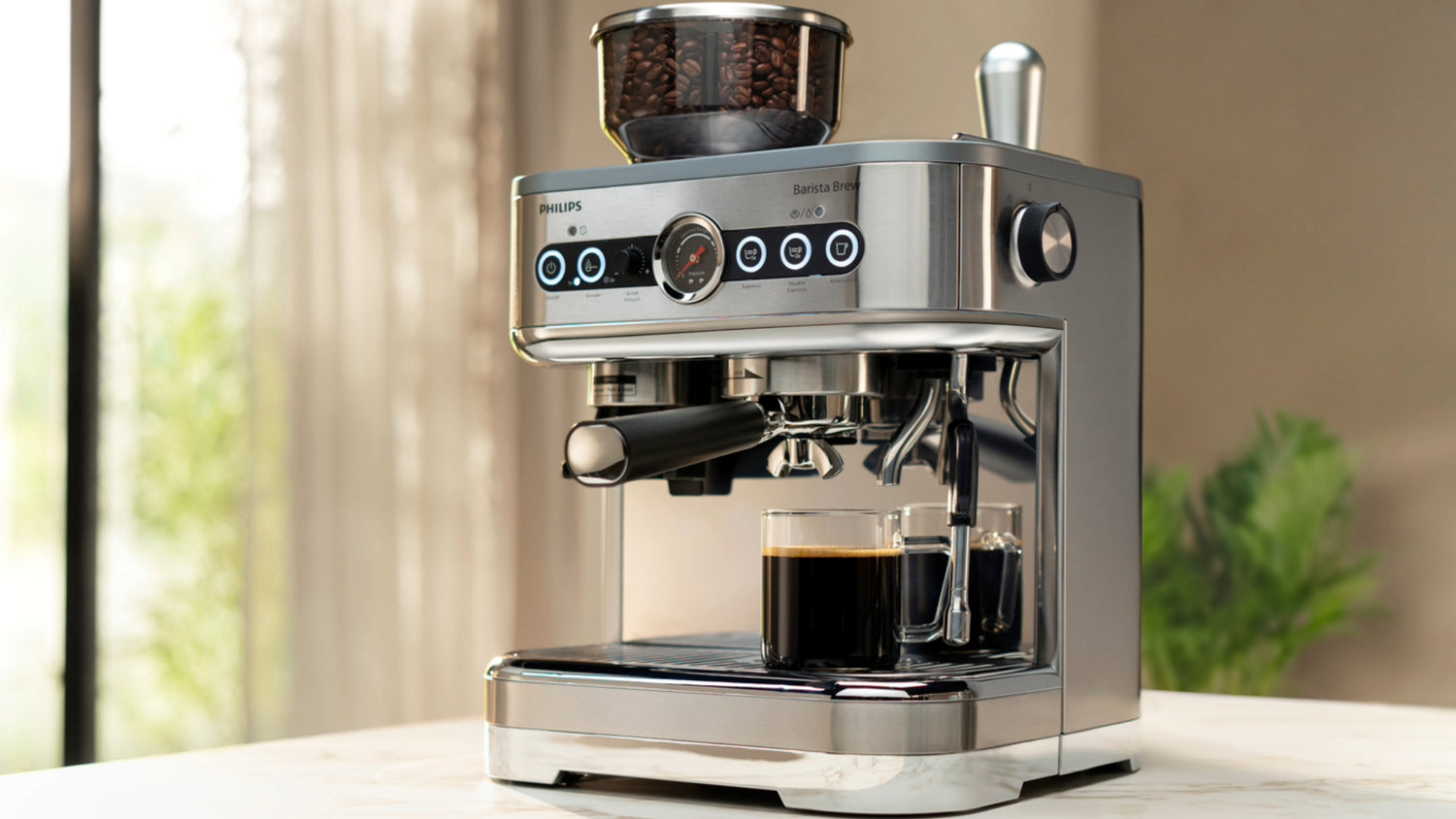
The journey to perfect espresso involves controlling variables that coffee enthusiasts summarize as the “Four Ms”: Macinazione (Grind), Miscela (Blend), Macchina (Machine), and Mano (Hand/Skill). Ignoring any one of these steps can lead to a shot that is either sour (underextracted) or bitter (overextracted). This article will guide you through the essential steps and variables needed to achieve that coveted, balanced, and truly tasty shot of espresso or its caffeinated derivatives.
Subtitle 1: The Foundation of Flavor—Beans and Grind Precision
The quality of the raw material and the precision of its preparation are the first non-negotiable steps toward a superb espresso.
1. Miscela (The Blend or Single Origin)
A great shot begins with great beans. While traditional Italian espresso often uses a blend of robusta (for crema and body) and arabica (for flavor and acidity), modern third-wave coffee often features single-origin arabica beans, prized for their unique, bright flavor notes.
- Freshness is Key: Coffee beans begin to lose their flavor compounds immediately after roasting. Use beans that were roast recently (ideally within 5 to 20 days) and stored properly in an airtight container away from light and heat. Avoid pre-ground coffee entirely.
2. Macinazione (The Critical Grind)
The grinder is arguably more important than the espresso machine itself. Espresso requires an extremely fine, uniform grind, which resembles powdered sugar or fine table salt.
- Grind Uniformity: You need a high-quality, burr grinder (not a blade grinder) that produces consistent particle sizes. Inconsistency leads to uneven extraction, resulting in both sour and bitter flavors in the same shot.
- Dialing In: The grind must be adjusted daily based on the coffee’s age and humidity. The goal is to set the grind so that 18 to 20 grams of coffee yields 36 to 40 grams of liquid espresso in a time window of 25 to 30 seconds. If the shot flows too fast, the grind is too coarse; if it chokes the machine, it is too fine.
Subtitle 2: The Art of Extraction—Pressure, Temperature, and Tamping
Once the beans are ground, the process moves to the machine and the barista’s technique—the Macchina and Mano.
1. Consistent Temperature and Pressure
The machine provides the necessary environment for extraction:
- Temperature: Water temperature is critical, typically set between $195^\circ\text{F}$ and $205^\circ\text{F}$ ($90.5^\circ\text{C}$ to $96^\circ\text{C}$). Water that is too cold results in a sour, underextracted shot, while water that is too hot burns the grounds, leading to bitterness.
- Pressure: Standard commercial machines use approximately 9 bars of pressure (about 130 psi) to force the hot water through the compacted grounds.
2. Mano (Tamping Technique)
Tamping is the process of compressing the loose grounds into a dense, flat “puck” within the portafilter basket. This prevents the pressurized water from finding the path of least resistance (a process known as channeling), which ruins the extraction.
- Flat and Level: The most important rule is that the tamp must be perfectly level to ensure the water flows through the entire puck uniformly. Apply firm, consistent pressure—around 30 to 40 pounds—and ensure the puck’s surface is totally flat before inserting the portafilter into the machine.
Subtitle 3: The Result and the Caffeine Hit
The immediate reward for this meticulous process is the perfect shot, often enjoyed as is, or used as the powerful, tasty foundation for popular caffeine beverages.
The Perfect Shot: Taste and Crema
A truly tasty espresso shot should have the following characteristics:
- Crema: A reddish-brown, velvety foam that sits on top. It should be thick, uniform, and persist for a minute or two. The crema contains emulsified oils and CO$_{2}$ bubbles and indicates a fresh roast and proper extraction.
- Flavor Balance: The taste should be a balance of sweetness (from caramelized sugars), acidity (brightness), and bitterness (from darker compounds). It should never taste overwhelmingly sour or acrid.
Caffeine Content
While flavor is paramount, the caffeine punch is undeniable. A standard 1-ounce (30 mL) espresso shot contains, on average, 63 milligrams of caffeine, significantly more concentrated than a typical cup of drip coffee. This concentration is why espresso, whether enjoyed as a straight shot, a latte, or a cappuccino, delivers a clean, rapid energy boost.
Conclusion: A Disciplined Delight
The creation of a truly tasty espresso shot is a disciplined delight. It demands respect for the process: starting with the finest, freshest beans, achieving a microscopically precise grind, and employing a flawless tamping technique.
When these elements align, the result transcends a simple dose of caffeine, becoming a complex, satisfying cup that validates the effort and expertise required. By controlling the Four Ms, you unlock the full, rich potential of the coffee bean, transforming your daily ritual into a moment of pure, concentrated perfection.
Would you like a brief guide on how to properly steam milk to achieve the perfect microfoam for lattes and cappuccinos?